
Bathroom paint needs to withstand constant moisture, poor ventilation, and frequent condensation. Standard matte finishes can peel, bubble, and encourage mildew, especially in Chicago homes where winter weather can trap humidity indoors.
The recommended approach is a mildew-resistant bathroom formula with satin on most walls and semi-gloss on trim, doors, and ceilings. Proper cleaning, mildew treatment, priming, and ventilation during painting are also emphasized to improve durability.
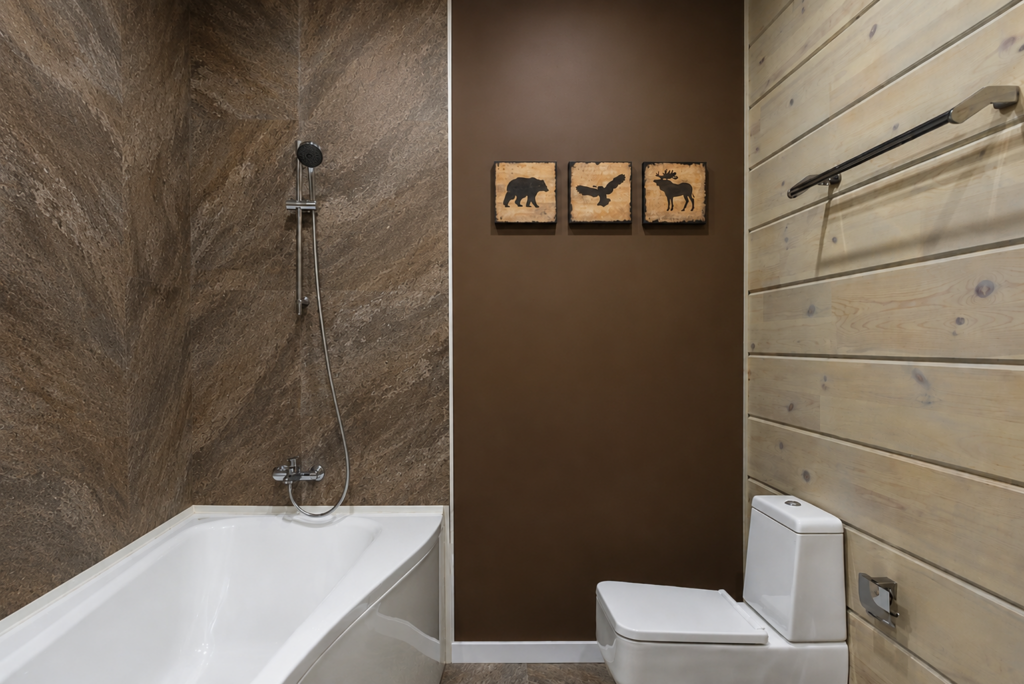
Bathrooms present some of the most demanding conditions of any room in the house when it comes to paint performance and longevity. The combination of hot showers, billowing steam, water splashes from the sink, and frequently poor or inadequate ventilation creates a near-constant cycle of moisture exposure that ordinary wall paint simply isn’t designed to handle. Over time, this relentless humidity causes standard paints to bubble, peel, blister, and eventually allow mold and mildew to take hold — problems that are not only unsightly but can become genuinely difficult and costly to remediate. Chicago homes face an added layer of challenge, since the city’s cold winters mean bathroom windows often stay shut for months at a time, trapping even more moisture inside. Here’s how we approach paint selection for bathrooms at Paint Studio, and what we specifically recommend for homeowners throughout the Chicago area to keep their bathrooms looking fresh and protected for years to come.
Why bathroom paint is different
Standard matte paint soaks up moisture, which leads to peeling, bubbling and black mildew spots within months. A bathroom needs paint that resists humidity, wipes clean, and holds up to repeated condensation. That comes down to two things: the right finish and a moisture-resistant formula.
The best finish for a bathroom
Avoid flat and matte finishes here. They look great but trap moisture and stain easily.
- Satin is the sweet spot for most bathroom walls: washable, slightly resistant to moisture, and still soft on the eye.
- Semi-gloss is ideal for trim, doors, and small or poorly ventilated bathrooms, because it’s the easiest to wipe down and the most water-resistant.
- Gloss works on woodwork and cabinets, but it’s usually too shiny for full walls.
As a rule: the more steam and the worse the ventilation, the glossier you should go.
Look for mildew-resistant paint
Choose a paint labeled for kitchens and bathrooms, or one with built-in mildew resistance. These formulas are designed to handle humidity and make mold far less likely. They cost a little more per gallon, but they save you from repainting in a year.
Color choices that work in steam
Light, cool tones — soft whites, pale grays, muted blues and greens — make a small bathroom feel larger and brighter under artificial light. If you want a bold or dark color, keep it to one accent wall away from the shower, where moisture is lowest.
Prep is half the job
Even the best paint fails on bad prep. In a bathroom we always:
- Clean walls to remove soap film and grease.
- Treat and kill any existing mildew before painting.
- Repair cracks and sand glossy spots so paint can grip.
- Apply a stain-blocking or moisture-resistant primer.
- Run the exhaust fan during and after painting to help it cure.
Our recommendation
For most Chicago bathrooms, we use a mildew-resistant satin on the walls and a semi-gloss on the trim and ceiling. It’s washable, it lasts, and it keeps that fresh look for years instead of months.